For this Play Journal, I want to talk about the successful aesthetics of Assassin’s Creed Syndicate.
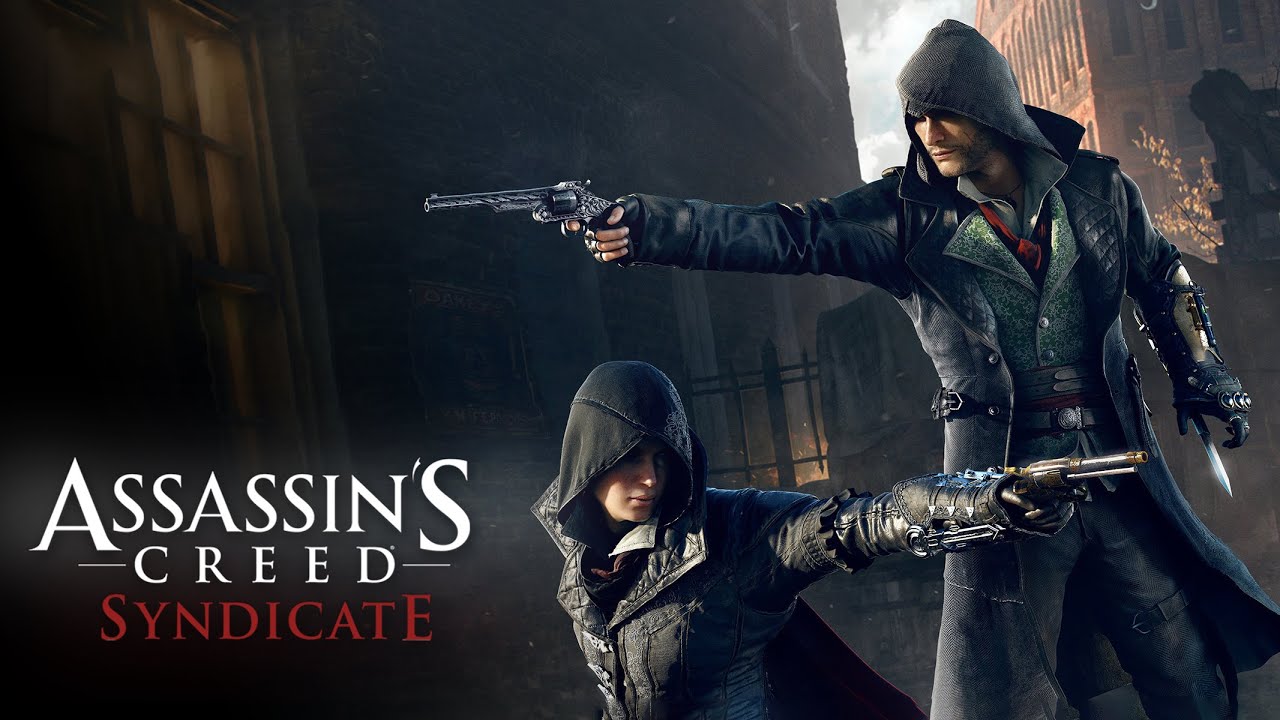
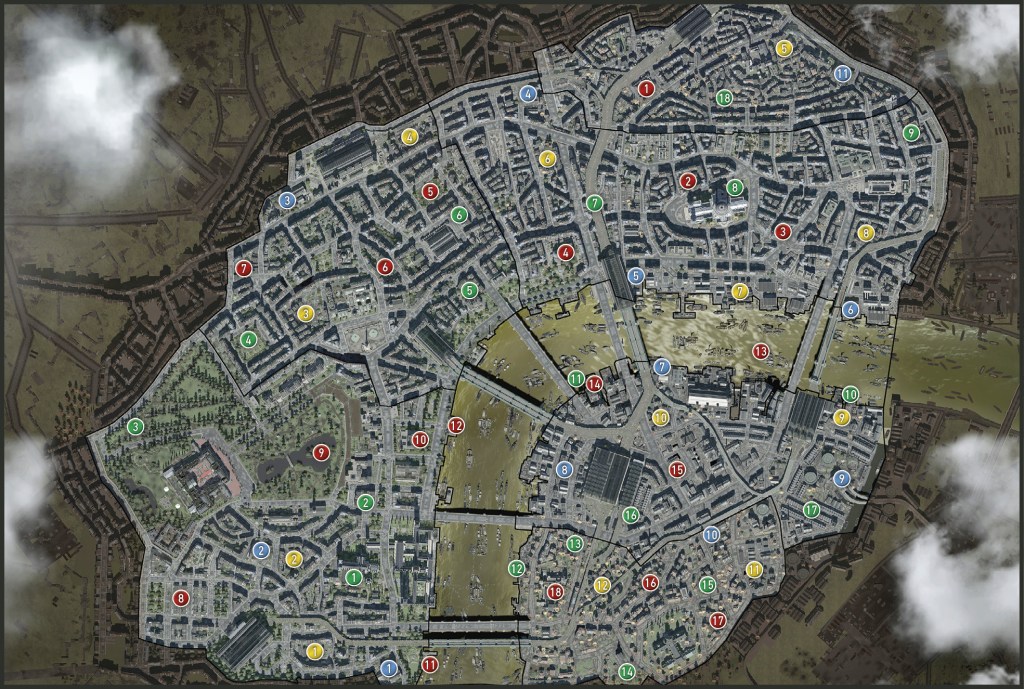
AC Syndicate is the 9th installment in the Assassin’s lineup starring a pair of twin assassins in Victoria era London. With that sentence alone, you can predict a lot of aesthetics. I played this game when it originally came out in 2015, but re-playing it through the lens of media studies, I’m able to articulate why I enjoyed it so much in the first place. Simon Niedenthal says that one of the aspects of game aesthetics is “the sensory phenomena the player encounters in the game” (Niedenthal 2). This means “the way a game looks, sounds, and presents itself to the player” (Nidenthal 2). And, being a AAA video game, Syndicate has plenty to offer on those fronts. The graphics and scope are stunning. Here’s a screenshot of the entire map to show how grand the scope is.
Niedenthal also says that mechanics are the verbs of gameplay while the aesthetics are the nouns and adjectives (Niedenthal 5). In Syndicate, the two complement each other so well. For example, the fighting mechanics are nothing new to Assassin’s Creed, but with the new melee weapons and finishers, the combat has been adapted to reflect the brutal street gangs of Victorian England. Furthermore, the free running, carriages, and fast travels provide the option to traverse such a large world much more quickly. Even the grappling hook, albeit some suspension of disbelief required, felt fitting since we’re set in the Industrial Revolution.

On the other hand, you can also take your time and enjoy the amount of detail populating the world from the architecture of Buckingham Palace to the side missions and diverse people on the streets. Each of these options allows the player to be more hands-on and free in their navigation.
Which brings me to another important element of aesthetics: sound. Karen Collins says that “sound works to control or manipulate the player’s emotions, guiding responses to the game” which “creates a different (and in some cases perhaps more immersive) relationship between the player and the character(s)” (Collins 133). All the sounds in Syndicate work to further immerse the player in this world. Playing the game again, I’m noticing more details like the sounds of individual children playing in a courtyard and the variations of footsteps based on the type of surface you land on. Then, there’s the score that has blown my mind since day one. Syndicate was the first game that made me go, “Wow, the music here is amazing.” One of my favorite things to do is climb to the top of Big Ben solely to hear the music swell. Then, the music would change to be timed with your Leap of Faith. Amazing.

Assassin’s Creed Syndicate is a great example of all the small things it takes for effective world building. It’s a blend of the visuals, mechanics, and sounds working together to create an emotional experience for the player.
Works Cited
Collins, Karen. “Chapter 7: Gameplay, Genre, and the Functions of Game Audio.” Game Sound: An Introduction to the History, Theory, and Practice of Video Game Music and Sound Design. MIT Press, 2008, pp. 123–137.
Côté, Marc-Alexis. Assassin’s Creed Syndicate. Ubisoft Quebec. October 23, 2015.
Niedenthal, Simon. “What We Talk About When We Talk About Game Aesthetics.” DiGRA ’09 – Proceedings of the 2009 DiGRA International Conference: Breaking New Ground: Innovation in Games, Play, Practice and Theory, vol. 5, Sept. 2009.
 AJ Sison's Blog for Video Game Culture