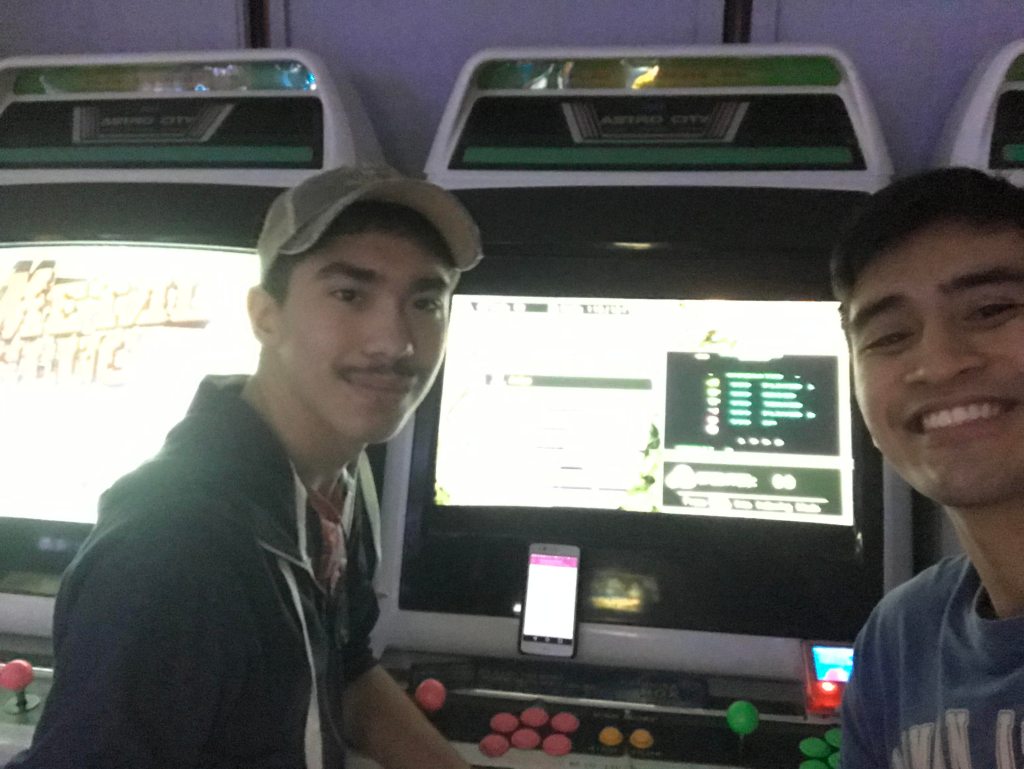
For this assignment, Osvaldo “Oz” Jimenez and I went to Arcade UFO. Our game of choice was Mappy, the 1983 Namco game.
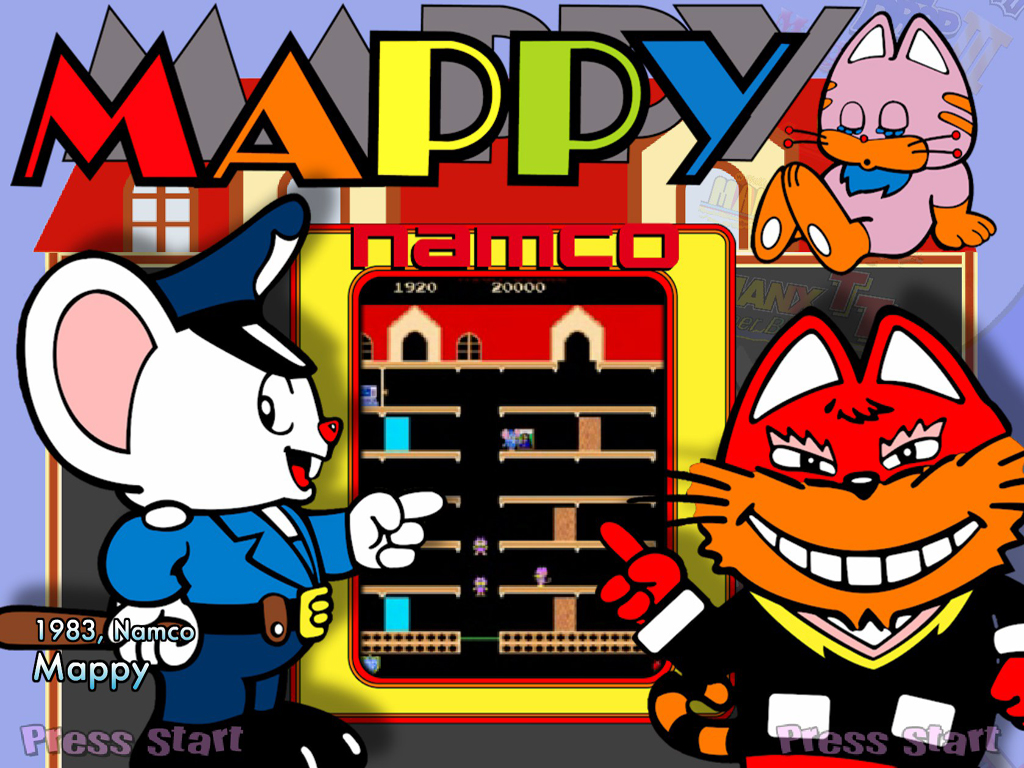
I’ve never heard of this game, but right out the gate I could see elements of the classic arcade that Rouse discussed. It’s a platformer where you play a mouse police and have to collect all the loot while avoiding enemies. You simply move left and right with the joystick and use one button to open doors. To get deeper into the mechanics, you can open doors that knock out the cats and dash you in a specific direction. Special doors would send a one-time, unilateral shockwave knocking out all enemies in its path. There are lines you can lines you can bounce off of in between the platforms so you can reach different platform levels. You lose one of your three lives every time you get touched by an enemy cat. Mappy also allows you to get an extra life every 20,000 points. Already, we’ve touched on Rouse’s traits of simple gameplay and multiple lives. Additionally, Mappy has infinite play with the trope of increasing difficulty. The platforms would be arranged one of four ways and/or there would be more enemies. Then, there’s the matter of scoring. You earn points for specific actions such as jumping on a line, picking up treasure, and varying scores for knocking out enemies with the potential for multipliers via multikills. And then, there were intermittent speedrun levels with the sole goal to boost your score. The game emphasized the competitive nature of high scores by having it at the top of the screen the entire time. And, of course, the classic opportunity at the end to add a three character name to cement yourself in the top 5.
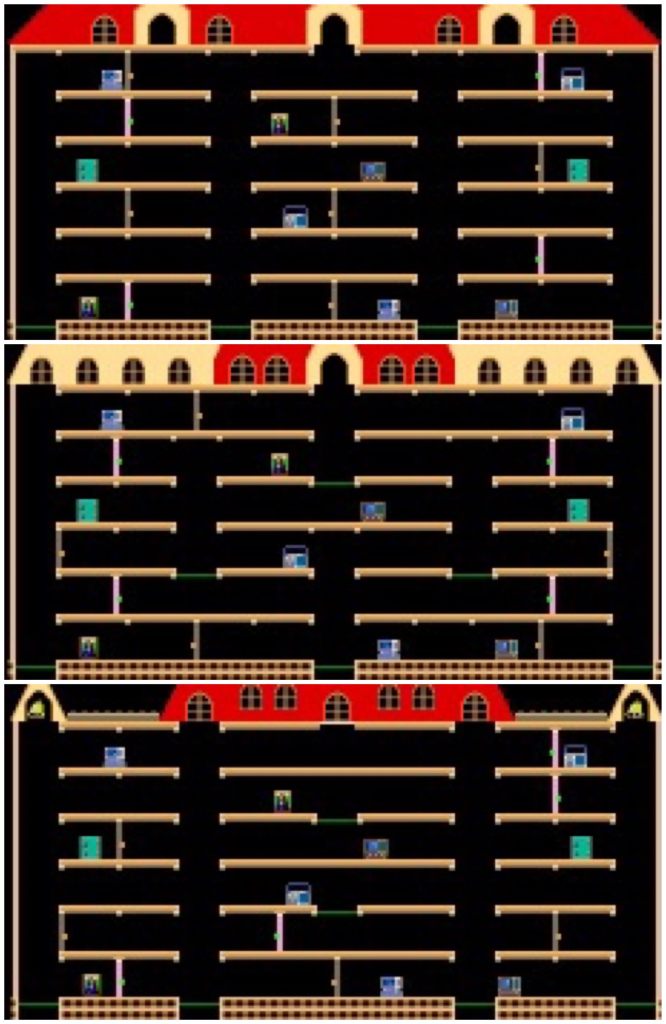
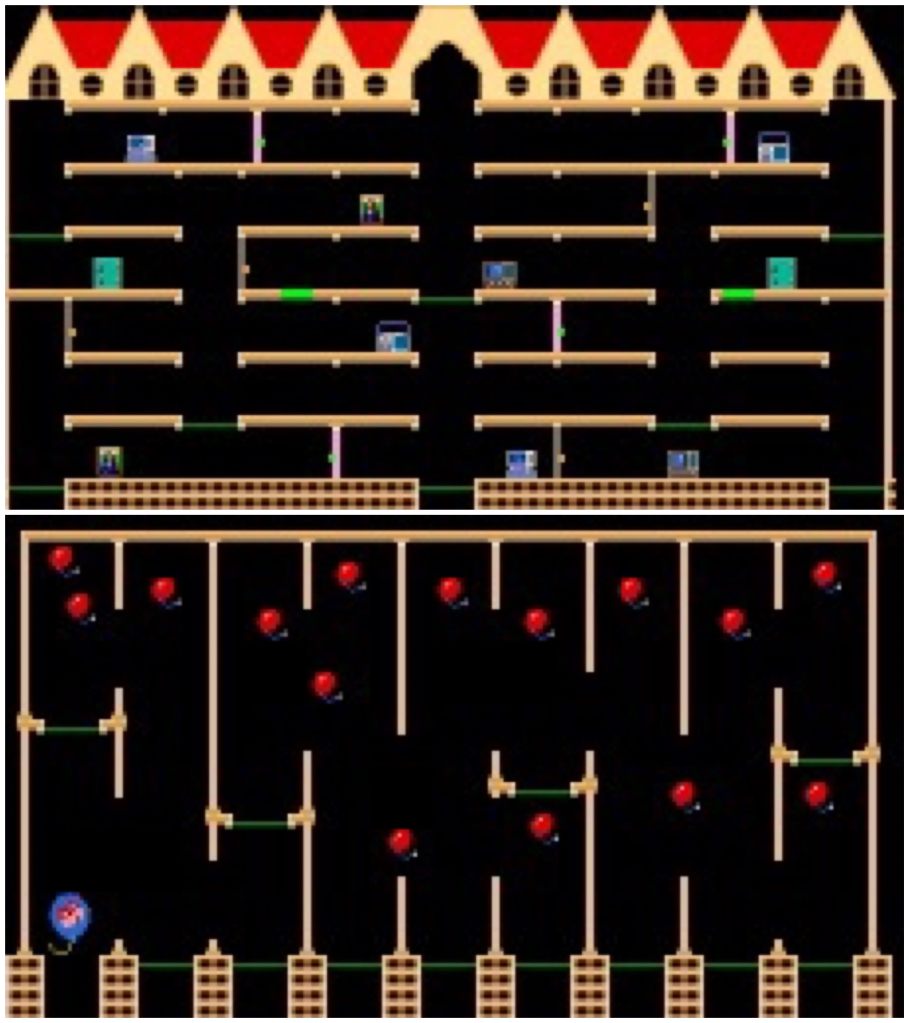
Which brings me to a vital aspect of the game: the interconnectedness. The locations of loot, lines, platforms, and enemies hit the balance of challenge and reward to keep you playing. You have to balance offensive and defensive strategies. The doors can knock out enemies, but they can also send you flying into them thus killing you. A neat rule is that the cats can’t hurt you while you’re falling/jumping on the lines. You could use these for a brief reprieve and decide your next move, but too many consecutive jumps would permanently break the line. But when the cats would be jumping with you, you have to gamble and dash onto a platform and pray a cat doesn’t follow. All of these elements worked together to create escalating tension. Maybe you knock out four cats in one swoop with the special door, so you feel calm. But all of a sudden, a cat charges you from off-screen so you have to quickly escape it by jumping off the platform. These ebbs and flows of tension along with the broader moments of the speedrun levels create a game that retains your attention in an entertaining fashion.
 AJ Sison's Blog for Video Game Culture